


In this article, the specialists at Dentonio Clinic explain what you can safely eat after dental implant surgery, along with essential post-operative guidelines to support a smooth recovery.


Dental implant placement is a surgical procedure in which a titanium implant is inserted into the jawbone to replace the root of a missing tooth. It is designed for patients who have lost one or more teeth and want a long-lasting solution that looks, feels and functions like a natural tooth.
In this article, the specialists at Dentonio Clinic explain what you can safely eat after dental implant surgery, along with essential post-operative guidelines to support a smooth recovery.
We advise our patients to stick to soft and liquid foods after implant placement in order to avoid irritation and pressure on the surgical site. It is also important not to chew directly on the implant area.
The foods we most frequently recommend include: Ice cream, Yogurt, Smoothies, Pudding, Cold soups. Ice cream is often our top recommendation — it is easy to consume and the cold temperature helps reduce swelling.
Important: Hot food and drinks can dissolve the blood clot that forms at the implant site. This clot is essential for proper healing. If it is disturbed, the risk of complications increases and recovery may take longer.
Foods and Habits to Avoid:
Hot coffee, tea, soups and broths
Warm meals (pasta, mashed potatoes, omelettes, etc.)
Freshly baked bread, pancakes and similar items
Any warm beverages (even lukewarm — wait until they cool completely)
Tobacco
Alcohol
Seeds and nuts
Diet Timeline During Recovery
Days 1–2 (Liquid & Cold Diet)
Stick to cold liquids, meal-replacement drinks and non-acidic soft foods such as apple sauce, pudding, cold soups, ice cream and yogurt. Cold foods help minimise swelling and soothe the surgical area.
Days 3–14 (Soft Diet)
Gradually introduce warm, soft foods that do not require vigorous chewing. This helps ensure adequate protein intake and supports tissue healing.
Week 3 and Beyond
Slowly return to firmer foods, but continue to avoid crunchy, sticky or hard items until your dentist gives full approval.
We also advise patients not to rinse the wound vigorously or swish liquids forcefully in the mouth, as this can disrupt the healing process.
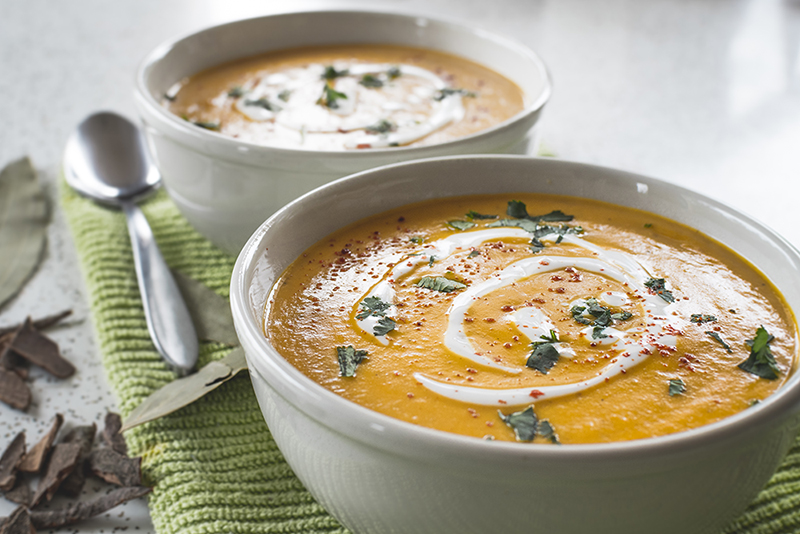
Pre-Operative Instructions
Before the procedure you will receive clear instructions. Common guidelines include:
- If sedation will be used, do not eat or drink for a specified period before your appointment
- Stop or adjust certain medications if advised by your doctor
- Arrange transportation home if oral or intravenous sedation is planned
Pain, Swelling and Symptom Management
Mild to moderate pain and swelling are normal during the first 48–72 hours after implant placement. We will recommend appropriate over-the-counter pain relief or, if necessary, stronger prescription medication. Apply cold compresses to the cheek during the first 24 hours, and after 24 hours you may begin gentle rinsing with warm salt water to promote healing.
Activity and Oral Hygiene
Avoid strenuous physical activity for 48–72 hours to reduce the risk of bleeding and swelling. Maintain oral hygiene with gentle brushing and use the prescribed antibacterial mouthwash. Do not use straws and do not smoke, as both can interfere with the healing process after implant surgery.
Follow-Up Appointments and Osseointegration
You will attend regular check-ups so we can monitor healing and, if needed, remove sutures. Osseointegration — the process by which the bone fuses with the implant — usually takes 3 to 6 months. Once integration is successful, we proceed to the next stage of treatment.
Important Note: Avoid Hot Food and Drinks
Why is this so important for your recovery?
Consuming hot food and beverages can dissolve or dislodge the blood clot that forms at the implant site. This clot protects the wound and is essential for rapid, successful healing. If it is disturbed, the risk of complications (such as bleeding or infection) increases and recovery is significantly prolonged.
What exactly should you avoid?
Until the wound has fully healed, avoid anything hot — even lukewarm:
Hot drinks: coffee, tea, warm milk and other warm beverages (wait until they are completely cool)
Warm meals: soups, stews, freshly cooked pasta, casseroles, etc.
Fresh hot bread, pastries and pancakes
What can you safely eat and drink?
All food and drinks should be at room temperature or slightly chilled. Choose softer options that do not require aggressive chewing:
Yogurt, sour cream and pudding (from the fridge or at room temperature)
Cooled cream soups and purées
Ice cream (excellent because the cold reduces swelling), fruit purées or soft mashed foods
Useful tip: If a meal has just been prepared, always wait until it has completely cooled before eating. In the period immediately after implant placement, it is always safer to choose cooler food than to risk complications.
Important Rule: Do Not Use a Straw After Surgery
Why is this strictly forbidden?
For the first 14 days after dental implant placement, the use of a straw is completely prohibited.
Drinking through a straw creates negative pressure (a vacuum) inside the mouth. This pressure can easily dislodge or completely remove the blood clot from the implant site. The clot is the foundation for proper bone and gum healing — its displacement can cause renewed bleeding, significant pain and seriously compromise the success of the procedure.
Guidelines for safe fluid intake:
Forget the straw completely: this applies to all liquids (water, juices, smoothies or shakes).
Drink only from a glass or cup: Taking small, gentle sips.
Avoid any sucking motions: Including thick protein shakes from sports bottles with narrow spouts that require strong suction.
What is allowed?
All beverages (which must be cold or at room temperature) should be drunk directly from the rim of the glass.
Helpful tip: For thicker drinks such as yogurt, pudding or dense smoothies, use a spoon instead of a straw. This completely eliminates pressure in the mouth and allows the wound to heal undisturbed.
Important Warning: Refrain from Smoking and Alcohol
For a minimum of 14 days (ideally 4–6 weeks) after dental implant placement, complete abstinence from smoking and alcohol is strongly recommended. These two factors combined are among the most common causes of complications and implant failure.
How does smoking affect the wound?
Nicotine and toxins in tobacco smoke cause blood vessels to constrict (vasoconstriction). This drastically reduces the supply of blood, oxygen and nutrients to the surgical site. Without adequate circulation, healing is significantly slowed and the risk of infection and implant rejection multiplies.
How does alcohol affect the wound?
Alcohol dilates blood vessels and acts as a blood thinner, which can trigger secondary bleeding at the surgical site. In addition, alcohol directly interferes with the metabolic processes involved in new bone formation around the implant.
Guidelines for safe recovery:
Complete cessation of smoking (including e-cigarettes/vapes) during the critical healing period
Avoid passive smoking – spending time in smoke-filled rooms can also negatively affect the oral mucosa
Isključite alkohol: Nemojte konzumirati nikakva alkoholna pića minimum dve nedelje nakon zahvata, posebno dok ste pod terapijom lekovima (antibioticima ili analgeticima).
Support for you: If you are a regular smoker, we understand that this period can be challenging. However, view it as an investment in your new, healthy smile. The success of the procedure and the long-term durability of your implant are far more valuable than temporary enjoyment of a cigarette or a drink.
It is easy and free!!!